




Last Updated, August 14, 2026
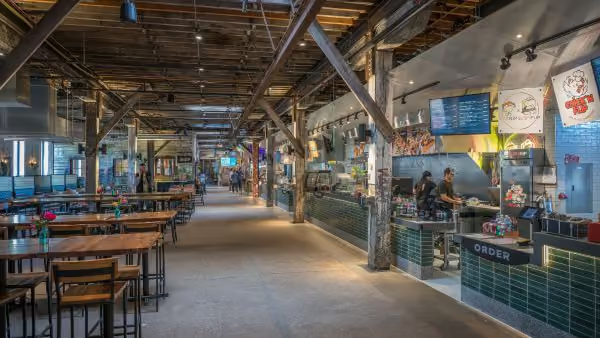
Food halls continue to evolve from simple collections of food vendors into destinations that combine dining, entertainment, community, and hospitality.
But not every food hall operates the same way.
Some function like traditional food courts, where each vendor operates independently and guests complete separate transactions at every stall. Others create a more connected experience that allows guests to move freely throughout the venue while maintaining a single tab and enjoying multiple ordering options.
After working with food halls across North America and gathering insights from operators at the Future of Food Halls Conference, we've identified four factors that consistently separate great food halls from good ones.
Create a Frictionless Guest Experience
The biggest difference between a successful and a struggling food hall is the guest experience.
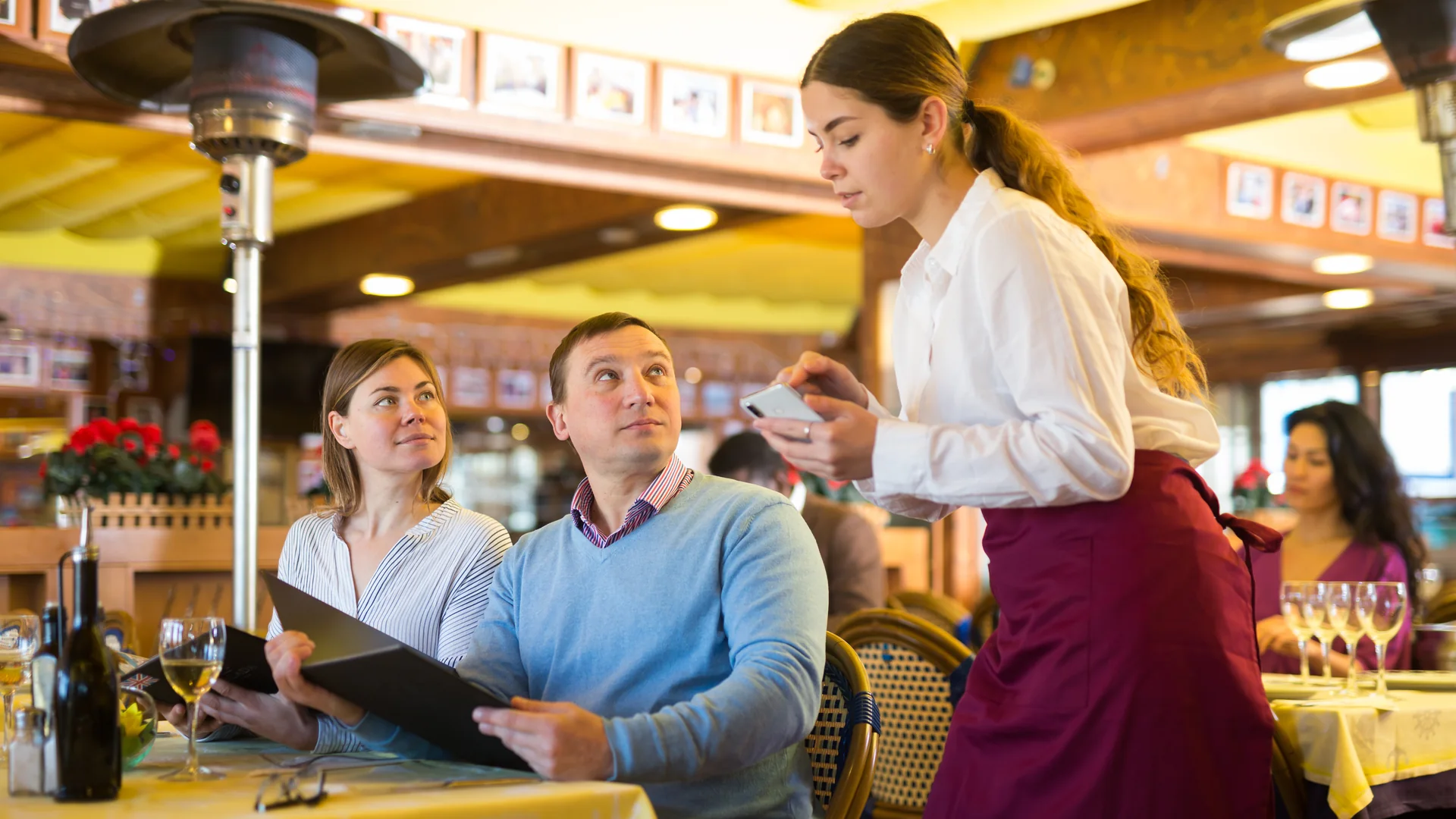
Guests don't want to think about how they're supposed to order. They don't want to repeatedly pull out their credit card, create multiple transactions, or navigate disconnected systems.
The most successful food halls make ordering feel effortless.
This often means providing multiple ordering methods that fit different guest preferences:
- Counter / bar ordering
- QR code ordering
- Kiosk ordering
- Mobile ordering
- RFID-enabled ordering
- Full-service dining
- Self-pour beverage experiences
The goal isn't to force every guest into the same workflow. It's to provide flexibility while keeping everything connected behind the scenes.
When guests can order from multiple vendors, add items throughout their visit, and settle everything on a single tab, the experience becomes significantly more convenient.
Give Vendors Independence Without Creating Operational Silos
Many food halls face a difficult tradeoff - a continuum of complete vendor autonomy to complete operator control.
On one side, every vendor operates independently with separate POS systems, reporting, and payment processing.
On the other, vendors are forced into a centralized system that removes much of their operational autonomy.
The strongest food hall model combines the benefits of both.
In a unified ecosystem, vendors maintain control over:
- Their menus
- Inventory
- Pricing
- Bank accounts
- Deposits
- Day-to-day operations
At the same time, the food hall can provide a shared guest experience that allows orders from multiple vendors to live on a single tab.
This approach enables vendor independence while creating a more cohesive experience for guests and operators alike.
Gain Visibility Across the Entire Business
One of the biggest operational challenges for food hall operators is understanding what's actually happening across the property.
When every vendor operates on separate systems, operators often rely on spreadsheets, emailed reports, and manual reconciliation processes.
That makes it difficult to answer important questions:
- Which vendors are performing best?
- Which products are driving sales?
- What areas of the venue generate the most revenue?
- How are promotions performing?
- Which dayparts create the most traffic?
Food halls operating within a connected ecosystem gain access to venue-wide reporting that provides visibility into:
- Sales by vendor
- Sales by zone
- Product mix trends
- Revenue performance
- Group and event sales
- Guest ordering patterns
These insights help operators make more informed decisions while creating stronger partnerships with their vendors.
Turn Every Square Foot Into Revenue
One of the most common themes discussed by operators is the importance of activating underutilized space.
The most successful food halls don't view themselves solely as places to eat.
They function as community gathering places.
That often means creating reasons for guests to visit beyond food alone.
Examples include:
- Private events
- Live music
- Trivia nights
- Comedy shows
- Pickleball courts
- Arcade games
- Self-pour beverage walls
- Sports viewing experiences
- Community programming
Every activation creates additional reasons for guests to return while increasing dwell time and spending opportunities.
Relish Food Hall provides a great example by combining food vendors with pickleball experiences. Guests may initially visit for sports but discover the food and beverage offerings, while traditional diners are introduced to entirely new experiences.
Why the Bar Program Matters More Than Many Operators Realize
One insight consistently surfaced during conversations with operators:
The beverage program often becomes the economic engine of the food hall.
Whether through a full-service bar, self-pour technology, specialty coffee program, or multiple beverage concepts, successful operators focus on making beverages easily accessible.
The faster guests can start a tab and get a drink in hand, the more likely they are to remain engaged throughout their visit.
Many leading food halls position the bar as a central hub that naturally becomes the starting point for the guest journey.
Why Hybrid Ordering Is Emerging as the Winning Food Hall Model
Food halls increasingly adopt one of two primary approaches for creating a connected guest experience.
Some rely primarily on RFID cards or wristbands that allow guests to build a shared tab across vendors. Others focus on QR and mobile ordering, enabling guests to order directly from their phones.
Increasingly, however, operators are discovering that the most effective approach is not choosing one over the other.
It's combining both.
RFID Ordering
Guests receive a wristband or card connected to an open tab.
Benefits include:
- Fast ordering at vendor stations
- Seamless self-pour integrations
- Ideal for large venues and events
- Strong fit for centralized check-in experiences
QR and Mobile Ordering
Guests scan a QR code, start a tab, and order from multiple vendors using their phones.
Benefits include:
- No waiting in line
- Shared tabs across groups
- Vendor-specific fulfillment notifications
- Flexible ordering from anywhere in the venue
- Lower hardware requirements
The Revenue Impact of Adding Mobile Ordering
One established food hall highlighted during our recent webinar, How to Run a Successful Food Hall, had already built a successful operation around RFID ordering and shared tabs. Guests could move between vendors, order from multiple concepts, and enjoy a frictionless payment experience.
Yet management noticed an important trend.
Not every guest wanted to interact with the venue the same way.
Some guests preferred tapping an RFID card. Others wanted to order directly from their phones. Large groups wanted easier ways to split payments. Event attendees wanted the convenience of ordering without leaving conversations or activities.
Rather than replacing RFID, the food hall introduced QR and mobile ordering as an additional option.
The results were immediate.
The venue generated approximately 48 additional orders per day on average after launching mobile ordering. At the vendor level, one merchant experienced a 46% increase in daily orders simply because its menu became available through another ordering channel.
The impact extended beyond order volume.
In one food hall ecosystem analyzed during the webinar, a vendor averaged approximately $23,000 per month in direct orders placed at the stall. Participation in the shared-tab ecosystem contributed another $94,000 per month in sales, while mobile ordering generated an additional $19,000 per month.
The takeaway is clear: guests spend more when ordering is convenient.
The most successful food halls are not limiting guests to a single ordering method. They are creating flexible experiences that allow guests to order however they prefer while keeping every transaction connected through a unified tab.
Private Events May Be Your Biggest Growth Opportunity
Many food hall operators underestimate the value of private events.
The most successful venues view themselves as event destinations, not just food destinations.
Corporate gatherings, celebrations, networking events, and community functions create opportunities to introduce new guests to the venue while generating meaningful revenue.
Technology can simplify these experiences through:
- Shared event tabs
- RFID event cards
- Multi-vendor ordering
- Centralized billing
- Automated reconciliation
For many operators, private events become one of the most profitable aspects of the business.
The Future of Food Hall Operations
One of the clearest lessons from today's leading food halls is that flexibility drives growth.
Guests want options. Vendors want visibility. Operators want efficiency.
The venues generating the strongest results are creating ecosystems where guests can move seamlessly between vendors, service styles, and experiences without friction. Whether a guest prefers RFID, QR ordering, counter service, or full-service hospitality, every interaction remains connected through a unified platform.
The result is higher vendor sales, more orders, better operational visibility, and a guest experience that feels less like a collection of vendors and more like a destination.
Food halls continue to evolve as guests seek experiences that combine convenience, flexibility, entertainment, and community.
The operators seeing the strongest results are embracing a model that delivers:
- Frictionless guest experiences
- Vendor autonomy
- Unified reporting
- Automated remittances
- Flexible ordering options
- Revenue-generating activations
Ready to Modernize Your Food Hall?
GoTab helps food halls create unified guest experiences while preserving vendor independence through shared tabs, QR ordering, RFID technology, automated remittances, centralized reporting, and flexible service models.
Learn how leading food halls are using GoTab to increase revenue, simplify operations, and create more connected guest experiences.
See the full best POS for food halls comparison against Toast, Square, and Clover.
New to the category or want the fuller technology picture behind hybrid ordering? Start with What Is a Food Hall? The Complete Guide to Modern Food Halls or dig into The Modern Food Hall Technology Guide.