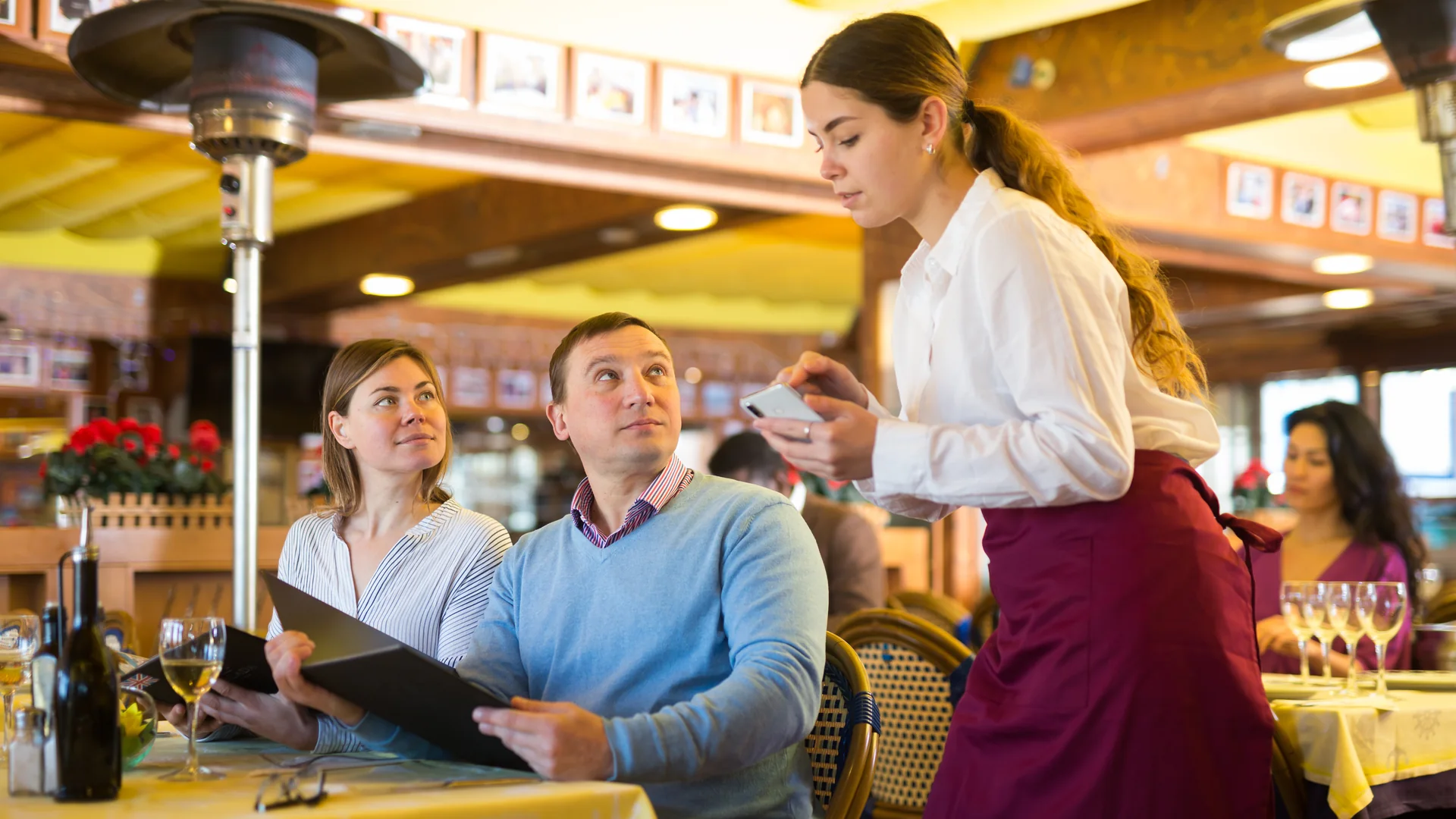





En Estados Unidos y en el extranjero, los desarrolladores y operadores están reimaginando los salones de comida como destinos donde la comida, el entretenimiento, la comunidad y la cultura se cruzan. El objetivo es crear un ambiente donde los huéspedes quieran quedarse más tiempo, regresar con más frecuencia y traer a otros con ellos.
Ese concepto estará al frente y al centro en el próximo Conferencia sobre el futuro de las salas de comida el 15 de abril en The Market at Malcolm Yards en Minneapolis, donde Andrew Colicchio de Colicchio Consulting moderará un panel titulado “Diseñar para el tiempo de permanencia”.
En un episodio reciente del Detrás de la pestaña podcast, Colicchio compartió ideas sobre cómo el diseño reflexivo, la programación intencional y la sólida planificación operativa están transformando los salones de comida de espacios transaccionales en centros culturales.
Los comedores no son patios de comida
Una de las distinciones más importantes que hace Colicchio es que un comedor exitoso es fundamentalmente diferente de los patios de comidas que mucha gente recuerda de los centros comerciales. Los patios de comidas son transaccionales. Los invitados llegan con un propósito específico: agarrar comida y salir. Los salones de comida son experienciales. “La palabra que viene a la mente con los patios de comidas es transaccional. Estás dentro y estás fuera. Eso no es lo que es un salón de comidas”.
En cambio, los mejores salones de comida están diseñados alrededor compromiso e interacción con la comunidad. Proporcionan múltiples razones para que los huéspedes se queden, exploren e interactúen con el espacio. Esa diferencia clave se traduce en un impacto financiero significativo. Las visitas más largas conducen a un mayor gasto de los huéspedes y un mayor rendimiento del proveedor/comerciante.
El poder de la programación
Según Colicchio, uno de los impulsores más pasados por alto del éxito de Food Hall es programación. La programación incluye actividades como:
- Música en vivo
- Programas de comedia
- Ver fiestas
- Juegos sociales
- Eventos privados
- Reencuentros comunitarios
Estas experiencias transforman una comida rápida en una salida nocturna. “La programación impulsa el tiempo de permanencia. Una comida se convierte en comida y bebida, y tal vez otra ronda de bebidas con más amigos. De repente has duplicado o triplicado el tiempo que alguien pasa ahí”. Ese aumento en el tiempo de permanencia tiene un impacto operacional significativo.
En muchos comedores, el programa de bebidas impulsa los márgenes. Es intuitivo. Cuanto más tiempo se hospeden los huéspedes, más oportunidades hay para la venta de alimentos y bebidas. La programación también crea conexión emocional. Cuando los invitados asocian un lugar con experiencias memorables —un concierto, una noche de trivia, una celebración— es mucho más probable que regresen.
Diseñar para la experiencia desde el primer día
Uno de los errores más comunes que Colicchio ve en los nuevos proyectos de food hall es tratar la programación como una idea de último momento. En su lugar, debe considerarse durante las primeras fases de diseño. “Si tiene un espacio de 20,000 pies cuadrados, debe pensar temprano sobre cómo parte de ese espacio puede soportar programación y fuentes de ingresos adicionales”.
Varios factores de diseño físico juegan un papel crítico en la habilitación de la programación:
- Altura del techo y líneas de vista - El entretenimiento en vivo y la participación visual requieren vistas claras y espacios abiertos.
- Acústica - La música y la programación de performance deben estar respaldadas por un diseño de sonido reflexivo.
- Flujo operacional - Las áreas de programación deben conectarse naturalmente con las áreas de alimentos y bebidas, particularmente el bar.
- Mobiliario y diseños flexibles - Los espacios deben ser adaptables para múltiples tipos de eventos.
Cuando estos factores se consideran temprano, la programación se convierte en un multiplicador para el modelo de negocio en lugar de un dolor de cabeza operacional.
Ejemplos del mundo real de éxito en la programación de Food Hall
En todo el país, los nuevos proyectos de food hall ya están adoptando este modelo. Un ejemplo de lo que destaca Colicchio es Roswell Junction en Georgia, que combina su salón de comidas con un club de rock con capacidad para 250 personas. El espacio alberga conciertos los fines de semana y eventos privados durante la semana, creando una actividad consistente y visitas repetidas. “La gente en el mercado piensa: '¿Qué debemos hacer esta noche? Estoy seguro de que Roswell Junction tiene algo pasado'”. Otro ejemplo, Selish Food Hall & Pickleball combina juegos sociales con comedor de salón de comidas. Ellas incorporan canchas de pickleball y conceptos de juego grupal, alentando a los huéspedes a quedarse más tiempo e interactuar con el lugar más allá de la experiencia gastronómica. Estos conceptos son cada vez más comunes a medida que los desarrolladores buscan formas de activar espacios en todas las partes del día y los fines de semana.
Programación Es Estrategia, Parada Completa
Quizás el mayor mito que Colicchio espera desafiar en la Conferencia Future of Food Halls es la idea de que la programación es simplemente una táctica de marketing. No lo es. Es una estrategia operativa central. “Los salones de comida más exitosos tratan la programación como una parte clave del modelo de negocio. Si el espacio no está diseñado para soportarlo, puede convertirse en una responsabilidad en lugar de un multiplicador”. Cuando se hace correctamente, la programación apoya a todas las partes interesadas en el ecosistema:
- Los proveedores obtienen mayor tráfico y ventas
- Los operadores aumentan los ingresos de barras y repiten las visitas
- Los desarrolladores mejoran el valor de sus activos inmobiliarios
- Las comunidades ganan un espacio de reunión
El futuro de los salones de comida
A medida que la hospitalidad continúa evolucionando, los salones de comida se están volviendo cada vez más anclas culturales dentro de los desarrollos de uso mixto y las comunidades urbanas. Son lugares donde la gente se reúne no solo para comer, sino para experimentar algo juntos. Esa evolución es exactamente lo que Conferencia sobre el futuro de las salas de comida tiene como objetivo explorar, reuniendo a operadores, desarrolladores, consultores y líderes hoteleros para compartir ideas que den forma a la próxima generación de estos espacios. Si la perspectiva de Colicchio es una indicación, el futuro de los salones de comida se definirá por una métrica clave: Tiempo de permanencia. Porque cuando los invitados se quedan más tiempo, todos ganan.