




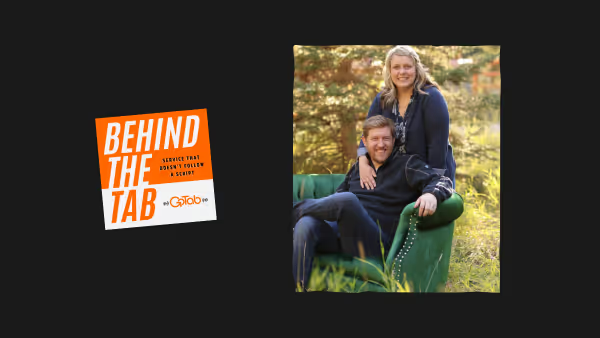
En el último episodio de Detrás de la pestaña, nos sentamos con Codi y Ken de la compra de películas de Clark—los profesionales detrás de escena que ayudan a las salas de cine a negociar con los distribuidores y programar las películas que terminan en pantalla.
Clark Film Bying representa cerca de 160 teatros en los EE. UU.—desde teatros de una sola pantalla “Main Street” hasta multiplexes, casas de arte, autocines, teatros de temporada y cines con cena de alta gama con experiencias completas de restaurante. Y debido a que hablan con los operadores todos los días, tienen un asiento de primera fila para lo que está funcionando, lo que está roto y lo que más ha cambiado desde 2020.
Esta conversación es una de las que debes escuchar si estás en cenar en cine, lugares de entretenimiento o cualquier negocio donde la experiencia + las operaciones tengan que trabajar juntas.
Lo que oirás en este episodio
La “ventana de lanzamiento” es más corta que nunca, y eso lo ha cambiado todo
Antes de COVID, la industria a menudo operaba con una ventana de exclusividad teatral más larga (describen ~90 días como el antiguo punto de referencia, con muchos títulos exitosos en reproducción 4-6 semanas en los teatros de primera carrera). Después de COVID, esa ventana se comprimió dramáticamente, ahora a menudo 17—30 días antes de que los títulos llegaran al VOD premium.
Por qué es importante: para teatros más pequeños (especialmente en salas de una sola pantalla), esperar semanas para obtener una película puede significar que la película ya esté disponible en casa para cuando aterrice localmente. El resultado es una nueva realidad:
obtenga la película antes, obtenga ingresos más rápido, rote más rápido.
Grandes concesiones ayudan, pero la película sigue siendo el principal impulsor de la demanda
Uno de los momentos más honestos de la conversación: incluso el teatro mejor administrado con el mejor menú puede tener dificultades si la alineación de películas no atraiga a la gente.
La ecuación de ingresos (en sus palabras) sigue siendo impulsada por tráfico peatonal. La película es el imán. El experiencia—concesiones, alimentos, bebidas, hospitalidad, amenidades— es donde los teatros pueden diferenciarse y ganar lealtad una vez que llegan los invitados.
La fricción de la experiencia del cliente no se trata solo de hacer pedidos. También se trata de “Flow”
Ken y Codi llaman algo que no recibe suficiente atención: control de multitudes y movimiento a través del edificio.
Piense en el efecto “impulso del ganado”: los invitados forzados a atravesar largas líneas de concesión o caminos incómodos aunque no quieran comprar nada. Incluso hacen flotar la idea de una línea de estilo “FastPass”, porque a veces la mejor experiencia del huésped es simplemente: dejar que la gente llegue a sus asientos fácilmente.
Y para cenar en los teatros, destacan por qué el modelo puede ser tan poderoso: toma prestada de la hospitalidad del restaurante —asientos, servicio, ritmo, comodidad— y convierte el propio lugar en el destino.
Theatre Reporting es extrañamente Específico; La tecnología no teatral a veces se queda corta
Aquí es donde las cosas se ponen especialmente interesantes para los operadores y la gente de tecnología. Las salas de cine tienen requerimientos únicos de reporting:
- Informes de taquilla que deben enviarse a los distribuidores (cadencia diaria/semanal)
- Ingresos por concesiones que se quedan con el teatro
- Una necesidad real de ver el panorama completo de la actuación de una noche, pero aún así mantener la taquilla y las concesiones adecuadamente separadas
Describen cuántos sistemas “genéricos” y herramientas financieras no entienden estos matices y cómo eso crea fricción, integraciones desordenadas y muchos dolores de cabeza (incluyendo... algunos contadores muy frustrados).
Su consejo es sencillo y práctico: utilizar sistemas adaptados al teatro siempre que sea posible, o asegúrese de que cualquier cosa que elija pueda adaptarse realmente a los parámetros de presentación de informes teatrales.
El cambio más grande: los estudios no pueden soportar toda la carga de marketing como solían
Hacen un punto agudo sobre cómo fragmentación de medios ha cambiado el marketing cinematográfico. Los estudios no pueden confiar en el mismo alcance masivo de la promoción de manta tradicional de TV/radio. Los algoritmos sociales están dirigidos, pero eso también significa que menos personas descubran orgánicamente lo que está saliendo.
Así que los cines ahora tienen una carga adicional y una oportunidad: deben comercializar su lugar y sus ofertas directamente a su propio público. Listas de correo electrónico. Campañas sociales. Remolques. Divulgación dirigida. Promociones. Construcción de la comunidad. Los cines ya no pueden simplemente asumir que “la película se vende sola”.
Desafío de 30 días de Ken & Codi para operadores: crear un plan promocional distintivo vinculado a los próximos momentos del calendario
Para cerrar el episodio, Codi y Ken ofrecen un desafío que, honestamente, es un plan: Elige una próxima película y construye una experiencia de firma a su alrededor, especialmente alrededor de los momentos del calendario (como el Día de San Valentín).
- un cóctel temático o cóctel sin alcohol
- un plato por tiempo limitado
- un momento fotográfico
- incluso algo tan simple como los colores de palomitas de maíz de temporada
Su mensaje: no tienes que hacerlo por cada película. Hazlo una vez por trimestre, hazlo bien, y entrena a tu equipo para que piense como planificadores editoriales.
La línea en la que seguimos pensando
Describen una “mejor experiencia teatral” donde apenas recuerdan la película, pero absolutamente recuerdo el lugar: el ambiente, la tecnología, el servicio, los cocteles, la sensación de que valió la pena volver. Esa es la oportunidad para cenar en el cine en este momento: el teatro se convierte en el producto, no solo en la pantalla.
Escucha el episodio + conéctate con Clark Film Comprando
Aquí están los enlaces oficiales mencionados en la conversación:
Compra de películas de Clark: https://clarkfilmbuying.com
Podcast Off The Break: https://offthebreakpodcast.com
Si opera un teatro (especialmente en restaurantes), trabaja en entretenimiento o construye tecnología para lugares basados en la experiencia, este episodio le dará una lente más inteligente sobre lo que está cambiando y qué hacer a continuación.