




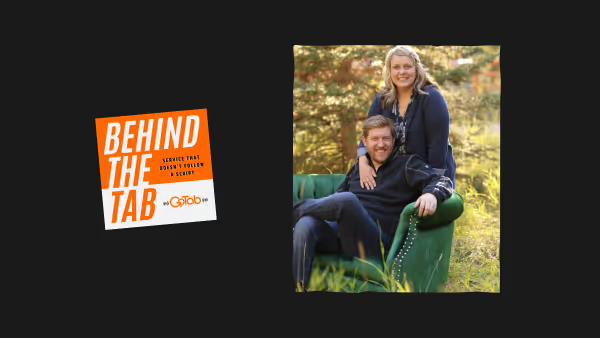
In the latest episode of Behind the Tab, we sat down with Codi and Ken from Clark Film Buying—the behind-the-scenes pros who help movie theaters negotiate with distributors and program the films that end up on screen.
Clark Film Buying represents about 160 theaters across the U.S.—from single-screen “Main Street” theaters to multiplexes, art houses, drive-ins, seasonal theaters, and high-end dine-in cinemas with full restaurant experiences. And because they talk to operators every day, they have a front-row seat to what’s working, what’s broken, and what’s changed most since 2020.
This conversation is a must-listen if you’re in dine-in cinema, entertainment venues, or any business where experience + operations have to work together.
What You’ll Hear in This Episode
The “Release Window” Is Shorter Than Ever, And That’s Changed Everything
Before COVID, the industry often operated with a longer theatrical exclusivity window (they describe ~90 days as the old benchmark, with many successful titles playing 4–6 weeks in first-run theaters). After COVID, that window compressed dramatically—now often 17–30 days before titles hit premium VOD.
Why it matters: for smaller theaters (especially single-screen venues), waiting weeks to get a film can mean the movie is already available at home by the time it lands locally. The result is a new reality:
get the film sooner, make revenue faster, rotate quicker.
Great Concessions Help, But the Movie Is Still the Primary Demand Driver
One of the most honest moments in the conversation: even the best-run theater with the best menu can struggle if the film lineup doesn’t pull people in.
The revenue equation (in their words) is still driven by foot traffic. The movie is the magnet. The experience—concessions, food, beverage, hospitality, amenities—is where theaters can differentiate and earn loyalty once guests arrive.
Guest Experience Friction Isn’t Only About Ordering. It’s Also About “Flow”
Ken and Codi call out something that doesn’t get enough attention: crowd control and movement through the building.
Think about the “cattle drive” effect: guests forced through long concession lines or awkward pathways even if they don’t want to buy anything. They even float the idea of a “FastPass” style line—because sometimes the best guest experience is simply: let people get to their seats easily.
And for dine-in theaters, they highlight why the model can be so powerful: it borrows from restaurant hospitality—seating, service, pacing, comfort—and turns the venue itself into the destination.
Theater Reporting is Weirdly Specific; Non-Theater Tech Sometimes Comes Up Short
This is where things get especially interesting for operators and tech folks. Movie theaters have unique reporting requirements:
- Box office reporting that must be submitted to distributors (daily/weekly cadence)
- Concessions revenue that stays with the theater
- A real need to see the full picture of a night’s performance, but still keep box office and concessions appropriately separated
They describe how many “generic” systems and finance tools don’t understand these nuances—and how that creates friction, messy integrations, and a lot of headaches (including… some very frustrated accountants).
Their advice is simple and practical: use theater-tailored systems whenever possible, or ensure whatever you choose can truly accommodate theatrical reporting parameters.
The Biggest Shift: Studios Can’t Carry the Entire Marketing Burden Like They Used To
They make a sharp point about how media fragmentation has changed film marketing. Studios can’t rely on the same mass reach of traditional TV/radio blanket promotion. Social algorithms are targeted, but that also means fewer people organically discover what’s coming out.
So theaters now have an added burden—and opportunity: they must market their venue and offerings directly to their own audience. Email lists. Social campaigns. Trailers. Targeted outreach. Promotions. Community-building. Theaters can’t just assume “the movie sells itself” anymore.
Ken & Codi’s 30-day Challenge for Operators: Create A Signature Promotional Plan Tied to the Upcoming Calendar Moments
To close the episode, Codi and Ken offer a challenge that’s honestly a blueprint: Pick an upcoming film and build a signature experience around it—especially around calendar moments (like Valentine’s Day).
- a themed cocktail or mocktail
- a limited-time dish
- a photo moment
- even something as simple as seasonal popcorn colors
Their message: you don’t have to do it for every film. Do it once a quarter, do it well, and train your team to think like editorial planners.
The Line We Keep Thinking About
They describe a “best theater experience” where they barely remember the movie—but they absolutely remember the venue: the atmosphere, the tech, the service, the cocktails, the feeling that it was worth coming back. That’s the opportunity for dine-in cinema right now: the theater becomes the product, not just the screen.
Listen to the episode + connect with Clark Film Buying
Here are the official links mentioned in the conversation:
Clark Film Buying: https://clarkfilmbuying.com
Off The Break Podcast: https://offthebreakpodcast.com
Being able to react quickly — launching a themed promotion, adjusting pricing for a new release — depends on a POS that lets staff make those changes themselves. See why self-service menu and pricing control matters for dine-in cinemas, part of our complete guide to choosing a dine-in cinema POS.
If you operate a theater (especially dine-in), work in entertainment, or build tech for experience-driven venues, this episode will give you a smarter lens on what’s changing—and what to do next.