




As movie theaters continue to compete with streaming services and changing consumer habits, many operators are rethinking what the cinema experience should look like.
Today's most successful theaters are not simply showing movies. They are creating destinations that combine entertainment, food and beverage, hospitality, and community engagement.
For entrepreneurs planning a new dine-in cinema concept—or existing operators looking to modernize their business—the challenge is no longer attracting guests to a movie. The challenge is creating an experience that guests cannot replicate at home.
Few operators understand this better than Jim Matthes, General Manager of Aloma Cinema & Grill in Winter Park, Florida. During a recent episode of Behind the Tab, Matthes shared how his team transformed operations, improved service speed, and positioned the business for long-term growth.
Here are five important lessons for anyone designing a modern dine-in theater.
1. Design Operations Around the Guest Experience
Many theater operators start by thinking about ticketing, concessions, and staffing.
The best operators start by thinking about the guest journey.
A dine-in theater is fundamentally different from a traditional restaurant. Guests are focused on the movie, not on interacting with staff throughout the experience. Every interruption, delay, or distraction can negatively impact the viewing experience.
This requires operators to rethink traditional service models.
Rather than maximizing server interactions, successful dine-in theaters focus on making ordering, payment, and food delivery as seamless as possible.
The goal is not less hospitality.
The goal is hospitality that feels effortless.
When guests can place orders quickly, receive food promptly, and avoid interruptions during key moments of a film, the overall experience improves.
2. Eliminate Bottlenecks Before They Limit Growth
One of the most valuable insights from Aloma Cinema's experience came during blockbuster movie releases.
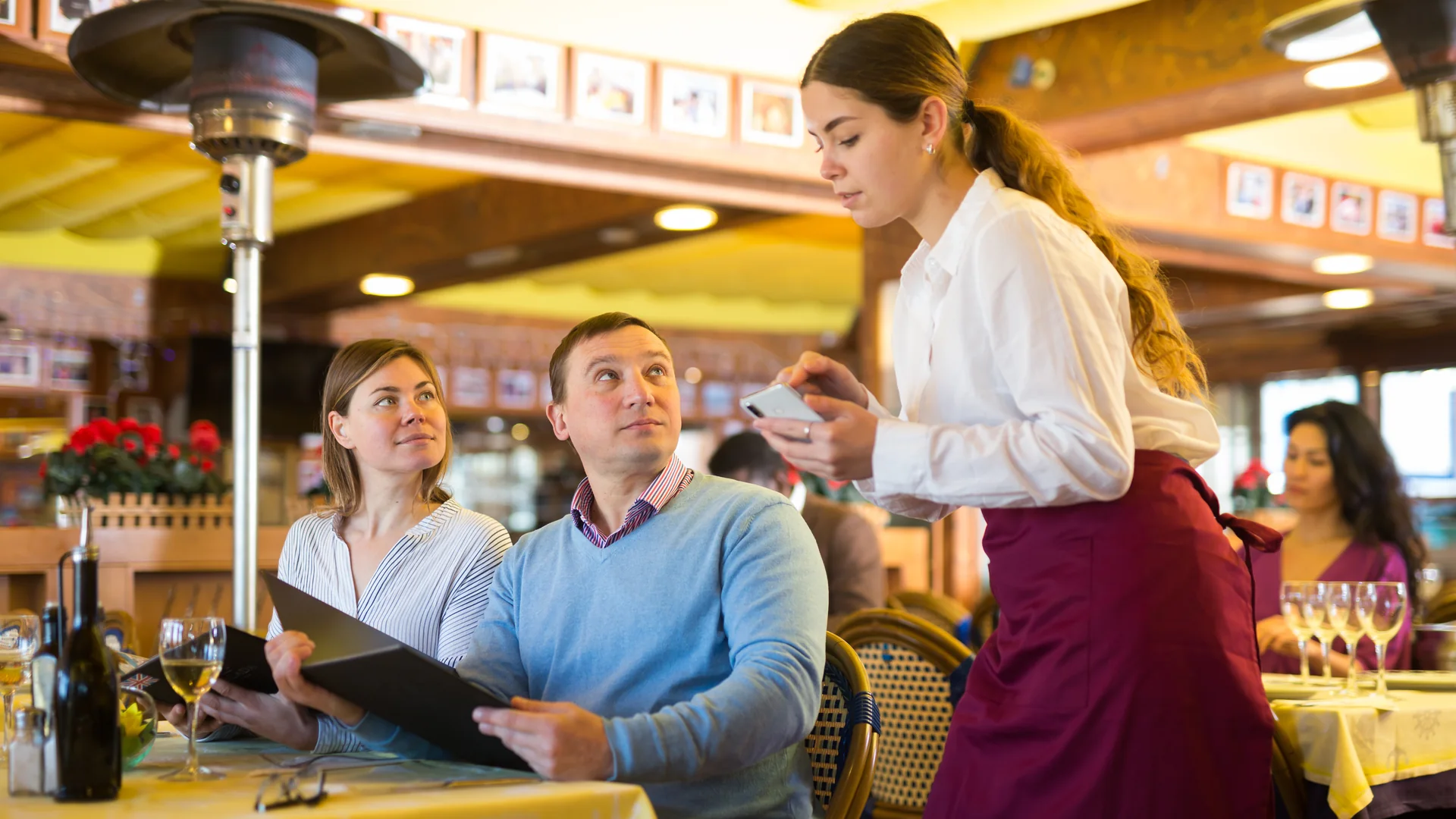
Historically, servers would take orders manually, walk to a POS terminal, enter the order, return to the auditorium, and later distribute checks before the movie ended.
The process worked until demand exceeded operational capacity.
During high-volume showings, order entry became a bottleneck. Food production slowed. Guests waited longer. Some orders arrived too late to be enjoyed during the movie.
This is a critical lesson for entrepreneurs designing new cinema concepts.
A business is only as fast as its slowest operational step.
When evaluating a theater design, operators should ask:
- How quickly can guests place orders?
- How quickly do orders reach the kitchen?
- How quickly can guests pay?
- What happens during peak demand?
Removing friction from these workflows often has a greater impact on profitability than adding additional staff.
3. Mobile Ordering Is About Experience, Not Labor
Many discussions around mobile ordering focus exclusively on labor savings.
That misses the bigger opportunity.
At Aloma Cinema, the adoption of QR code ordering significantly improved operational efficiency, but it also improved the guest experience.
Guests could place orders immediately.
Payments were handled automatically.
Food arrived faster.
Servers spent less time processing transactions and more time delivering hospitality.
This distinction is important for new theater operators.
Technology should not replace hospitality.
Technology should remove low-value tasks so staff can focus on delivering better service.
When implemented correctly, mobile ordering creates a smoother experience for guests while simultaneously improving throughput and operational performance.
That combination is what makes the model scalable.
4. Create a Flexible Business Model Beyond Movies
One of the most compelling insights from Matthes was his vision for the future of theaters.
He believes cinemas must evolve into broader community destinations.
For decades, theaters served as gathering places where people shared experiences together. While movies remain the primary attraction, operators increasingly have opportunities to expand beyond traditional screenings.
Examples include:
- Private events
- Corporate gatherings
- Community programming
- Trivia nights
- Live entertainment
- Gaming experiences
- Special screenings
- Membership programs
This trend mirrors what has happened across hospitality.
Breweries evolved into community gathering spaces.
Food halls became entertainment destinations.
Restaurants expanded into event venues.
Theaters have a similar opportunity.
When designing a new dine-in cinema, operators should think beyond ticket sales and concessions. The most resilient businesses often generate revenue from multiple experiences under one roof.
5. Measure Adoption and Optimize Continuously
Many operators implement new technology and assume the job is finished.
The most successful operators treat implementation as the starting point.
Matthes shared that his team actively tracked QR code adoption, usage rates, and operational performance to understand whether changes were producing the desired outcomes.
This approach helped identify opportunities to improve communication and increase adoption.
For entrepreneurs building a new cinema concept, measurement should be built into the operating model from day one.
Track metrics such as:
- Mobile ordering adoption
- Ticket times
- Food delivery times
- Average check size
- Guest satisfaction
- Labor efficiency
- Repeat visitation
Small improvements in these areas compound over time.
The operators who consistently measure and refine their systems often gain significant competitive advantages.
The Future of Dine-In Cinema
The next generation of successful movie theaters will not win by simply offering larger screens or more comfortable seating.
They will win by creating frictionless guest experiences.
They will leverage technology to improve service rather than replace it.
They will build flexible business models that support events, food and beverage, memberships, and community engagement.
Most importantly, they will design operations around what guests value most: spending less time waiting and more time enjoying the experience.
As Aloma Cinema demonstrates, the future of dine-in theaters is not about choosing between hospitality and technology.
It is about using technology to deliver hospitality more effectively.
For entrepreneurs designing a new dine-in cinema concept, that may be the most important lesson of all.
For a deeper look at what to prioritize when evaluating or upgrading a dine-in cinema POS — from hardware reliability to self-service configuration to guest recognition — see the complete guide to choosing a dine-in cinema POS. And if slow terminals, card readers, or reporting gaps sound familiar, these six warning signs are worth a look.
Looking for technology built specifically for dine-in theaters, entertainment venues, and hospitality-driven experiences? To learn how GoTab helps operators streamline ordering, improve guest experiences, and create more flexible business models request a demo today.