


English

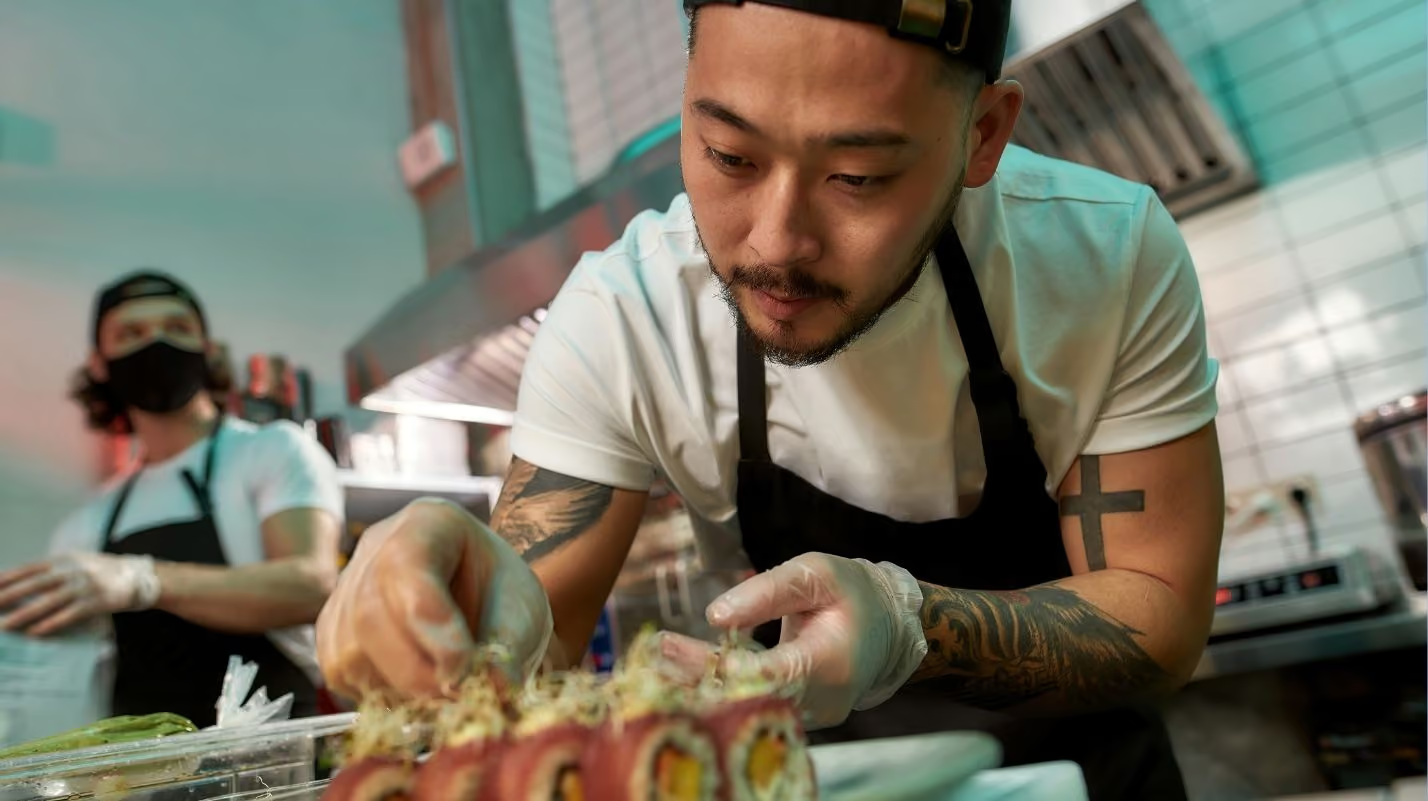
Hi GoTabbers!
Your best people should be doing your most important work.
Chefs should be teaching, coaching, and protecting culinary standards—not managing information. Great front-of-house staff should be creating memorable experiences—not simply processing every transaction.
And your team shouldn’t have to spend valuable time explaining an experience that’s unnecessarily complicated.
In this issue, we’re looking at three ways hospitality operators are giving their best people more time to do what they do best.
Patricia Mejia, GoTab CMO
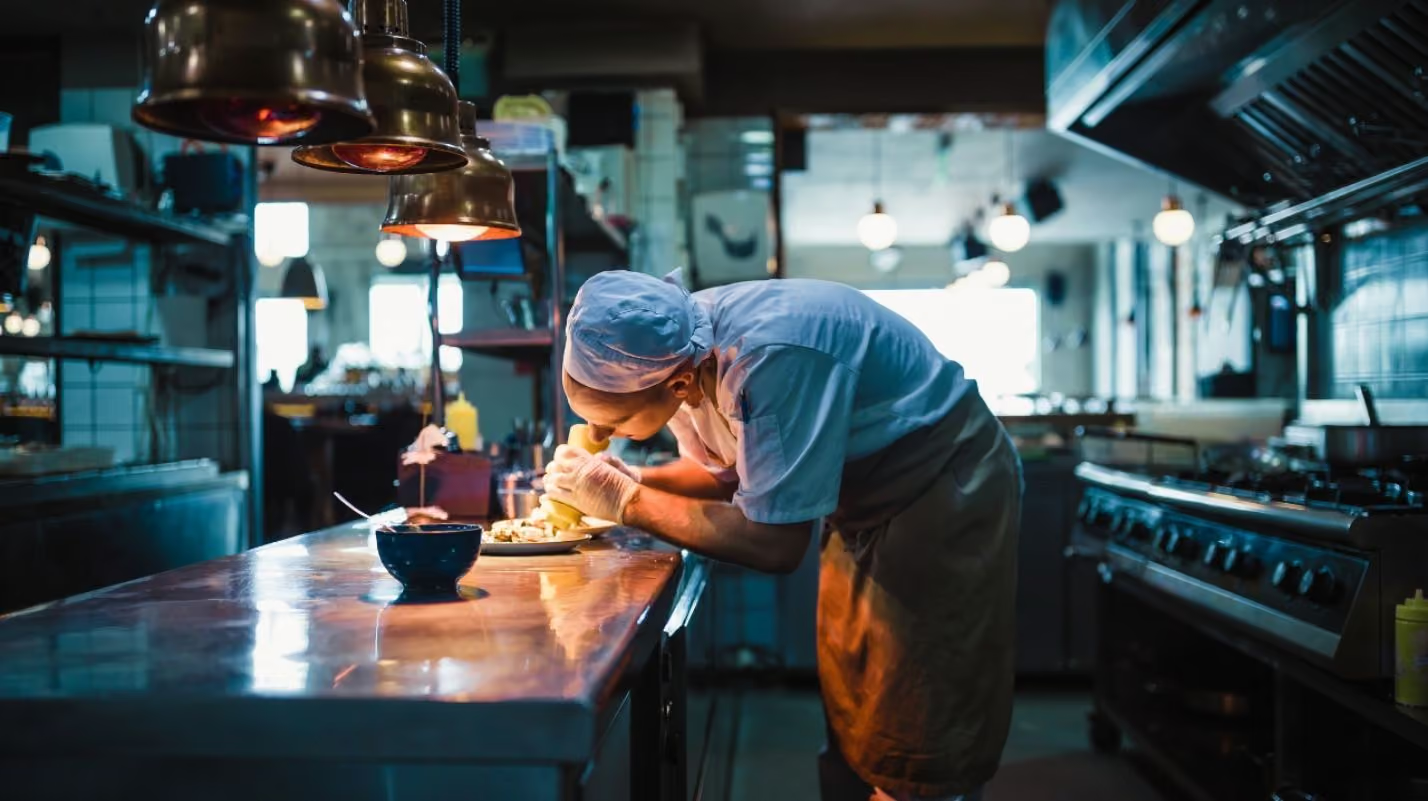
The best chefs do far more than create great food. They teach, coach, set standards, develop people, and build culture.
But as restaurants grow, chefs can quietly become information managers.
Recipes need to stay current. New hires need to get up to speed. Prep needs to stay organized. Food costs need to be tracked. And when information is difficult to find, the chef often becomes the person everyone turns to for answers.
August 18 | 12:00 PM ET
How Chef-Driven Restaurants Scale Without Losing Their Culture
James Passafaro, Director of Operations at GoTab, and Curtiss Dettman, Executive Chef at Pau Hana
We’ll share practical strategies for standardizing recipes and kitchen operations, improving onboarding and communication, increasing visibility into food costs and inventory, and giving chefs more time to teach, coach, create, and lead.
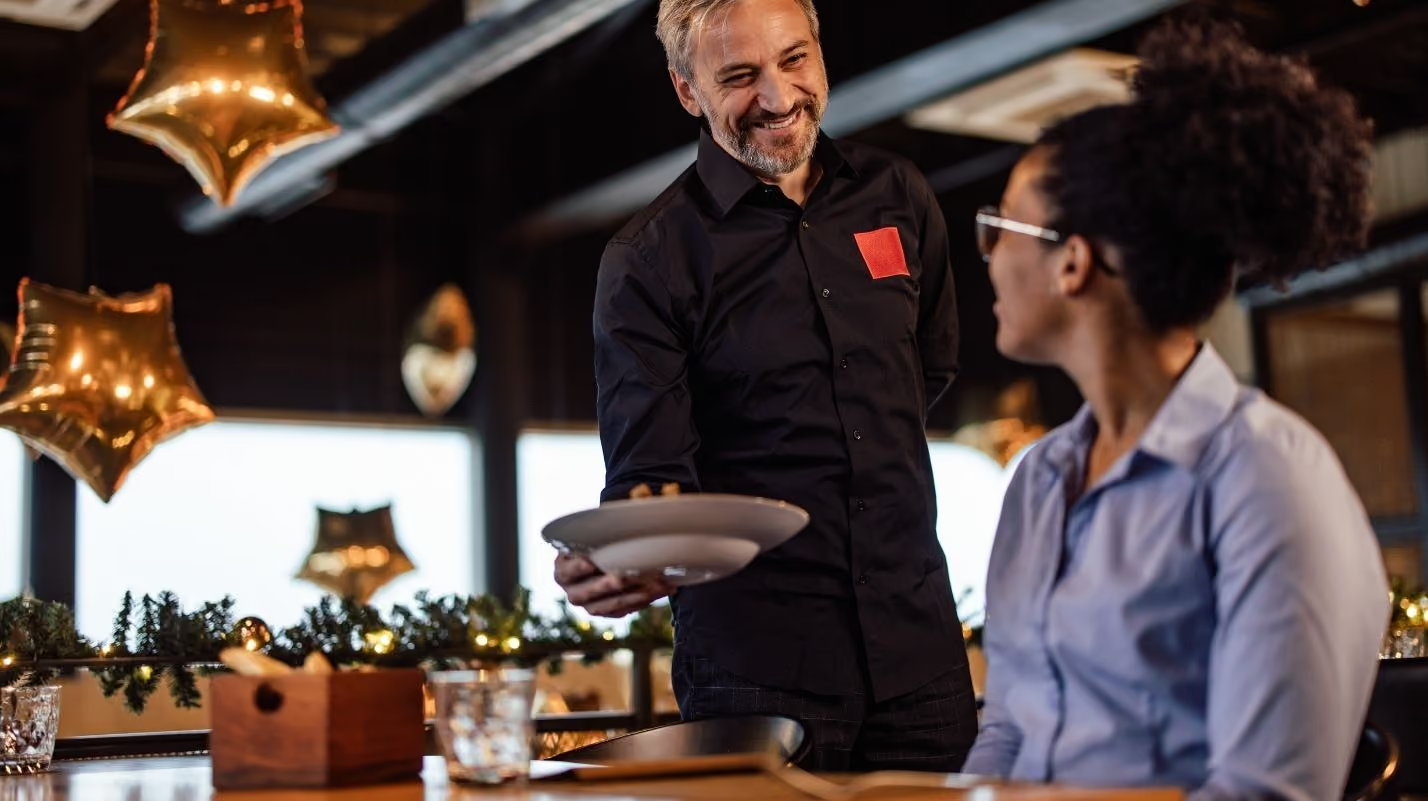
The best hospitality professionals do far more than take orders.
They welcome guests. Make recommendations. Read the room. Solve problems. Create connections. Turn a first-time visitor into a regular.
Yet much of their time can be spent processing transactions—taking another drink order, walking back to a terminal, running a card, or closing a check.
New data from high-volume breweries shows what can happen when guests have more control over those transactional moments.
Mixed tabs that combine staff-led and digital ordering average $57 to $102, with some venues seeing average tabs up to 72% higher than in-person-only orders. Mobile orders also show 91% to 98% tip attachment rates.
The opportunity isn’t to replace front-of-house staff with technology. It’s to let technology handle more of the transaction so your best people can focus on the experience.
Great hospitality isn’t taking an order. It’s everything that happens around it.
When guests are confused, your team becomes the workaround. They explain the options. Answer the same questions. Clarify what’s included. Help guests decide what to buy. And at high volume, every extra explanation creates friction for both the guest and the employee.
Atomic Golf in Las Vegas learned this firsthand.
The 100,000-square-foot entertainment destination had experimented with multiple reservation options—at one point offering eight or nine different packages. The choices created friction for guests and more work for staff.
So Atomic Golf simplified.
The team reduced its offering to three clear, all-inclusive tiers. Guests could more easily understand what they were buying. Staff spent less time explaining the options. And daily reservation revenue increased from roughly $2,000–$3,000 to more than $30,000.
Sometimes the answer isn’t giving your team better tools to manage complexity. It’s removing the complexity in the first place.
Your best people should be doing your most important work.
Your chefs should have time to teach, create, and lead. Your front-of-house staff should have time to connect with guests and create memorable experiences. And your team shouldn’t have to compensate for unnecessary complexity.
The biggest opportunity may not be finding another way for your team to do more.
It may be asking:
"What could your team stop doing—and what could your best people do with that time instead?"
Thank you for being part of the GoTab community.