





Los salones de comida ya no son solo una colección de vendedores de alimentos bajo un mismo techo. Cada vez más, se están convirtiendo en anclas sociales, económicas y culturales de los desarrollos modernos. Desde proyectos inmobiliarios de uso mixto hasta distritos urbanos revitalizados, los desarrolladores están descubriendo que los salones de comida hacen algo que los restaurantes tradicionales rara vez logran por su cuenta: crean lugares donde la gente quiere reunirse.
Esa visión es uno de los temas centrales detrás de la próxima Conferencia sobre el futuro de las salas de comida, que tendrá lugar el 15 de abril en El mercado de Malcolm Yards en Minneapolis. El evento reúne a desarrolladores, operadores, vendedores y socios tecnológicos para explorar qué hace que las salas de comida sean exitosas y cómo el modelo continúa evolucionando.
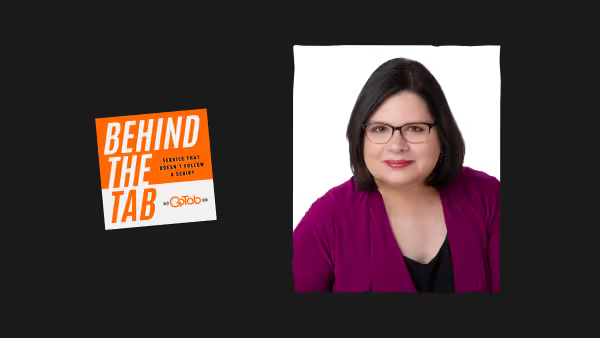
En un episodio reciente del Detrás de la pestaña podcast, el Director de Habilitación de Productos de GoTab, Adam Howe, habló con Megan Flanagan, Director Ejecutivo de la Instituto de Tierras Urbanas (ULI) Minnesota, sobre por qué los salones de comida están configurando cada vez más el futuro de la hospitalidad, los bienes raíces y el desarrollo comunitario.
Los salones de comida son más que restaurantes
El Urban Land Institute es una organización global con más de 48,000 miembros enfocados en dar forma al entorno construido. Su investigación muestra que los servicios centrados en la comida, particularmente los salones de comida, juegan un papel poderoso en la forma en que las personas interactúan con los lugares. Según Flanagan, el valor de los salones de comida se extiende mucho más allá de la economía de los vendedores individuales. “Fortalecen la identidad y el apego de la comunidad”, explicó. “Los salones de comida y los mercados crean un ancla social que construye la pertenencia dentro de los desarrollos”.
Ese sentido de lugar es una de las razones por las que los desarrolladores recurren cada vez más a los salones de comida como pieza central de nuevos proyectos. A diferencia de los restaurantes independientes, los salones de comida reúnen múltiples conceptos en un solo espacio, creando actividad constante y variedad para los huéspedes. El resultado es algo que a los desarrolladores les encanta: tráfico peatonal constante.
Los salones de comida suelen mezclar proveedores de servicio rápido con bares, entretenimiento y programación. Los eventos, las ventanas emergentes y las reuniones comunitarias ayudan a activar el espacio durante toda la semana, no solo durante las horas pico de comidas. Ejemplos bien conocidos como Union Market en Washington, DC, organizan cientos de eventos cada año y atraen a decenas de miles de visitantes los fines de semana ocupados. En otras palabras, los salones de comida no son solo lugares para comer. Se convierten en destinos para construir y sostener comunidades fuertes.
El poder del descubrimiento
Una de las características definitorias de los salones de comida es el descubrimiento. Los huéspedes a menudo visitan con la expectativa de probar algo nuevo, ya sea una cocina diferente, un concepto de chef local o una nueva experiencia de entretenimiento. “Un salón de comidas se trata de descubrimiento”, dijo Flanagan. “Alguien que va a un salón de comidas ya está abierto a encontrar una nueva experiencia gastronómica, una nueva experiencia cultural, o incluso una nueva experiencia de entretenimiento”. Esa apertura hace que los salones de comida sean especialmente adecuados para representar a las comunidades a las que sirven.
Muchos salones cuentan intencionalmente con diversos vendedores y emprendedores culinarios emergentes. Otros ofrecen entretenimiento, desde música en vivo hasta noches de comedia y actividades recreativas, creando un ambiente donde las personas pueden reunirse, celebrar y conectarse. Esta combinación de comida, cultura y programación es lo que convierte a los salones de comida en centros comunitarios.
Los salones de comida como catalizadores del desarrollo
La investigación de ULI también destaca otra gran ventaja: las salas de comida pueden ayudar a catalizar el desarrollo más amplio del distrito. Cuando los salones de comida se integran cuidadosamente en proyectos de uso mixto, pueden impulsar la actividad que beneficia a los edificios residenciales cercanos, espacios comerciales y oficinas. En algunos casos, incluso ayudan a revitalizar barrios enteros. Flanagan apunta a Chelsea Market en Nueva York como ejemplo clásico. La histórica reurbanización transformó múltiples edificios en un vibrante ambiente de salón de comidas que apoya a los chefs y productores locales mientras atrae tanto a turistas como locales.
La diferencia clave entre los salones exitosos y los que tienen dificultades a menudo se reduce a la estrategia. “El salón de comidas tiene que ser el ancla, no solo una amenidad”, explicó Flanagan. Cuando los desarrolladores tratan los salones de comida como la pieza central de la experiencia en lugar de una idea tardía, los resultados pueden ser transformadores.
Diseño de comedores para el éxito operativo
Por supuesto, operar un salón de comidas es mucho más complejo que operar un solo restaurante. Múltiples proveedores, asientos compartidos, programación de eventos y un gran volumen de invitados crean desafíos operacionales únicos. Esa complejidad es la razón por la cual el diseño reflexivo y la administración sólida son fundamentales. La investigación de ULI destaca varias mejores prácticas para el desarrollo exitoso del salón de alimentos:
- Diseño para la complejidad operacional. Los salones de comida requieren una planificación cuidadosa en torno a la logística trasera de la casa, los sistemas de desechos, los diseños de los stands y la infraestructura de cocina compartida.
- Cree modelos flexibles de proveedores. Muchos vendedores de salones de comida son pequeñas empresas o chefs emergentes que se benefician de estructuras de arrendamiento flexibles que apoyan la experimentación y el crecimiento.
- Establecer una administración centralizada. Un sólido liderazgo operacional garantiza la consistencia entre los proveedores mientras coordina eventos, marketing y experiencia del cliente.
Más allá de las operaciones, los salones de comida exitosos también priorizan la participación de la comunidad. La programación estacional, las asociaciones con organizaciones locales y los eventos culturales ayudan a mantener el impulso y fomentan la repetición de visitas. El objetivo es simple: crear un espacio al que los invitados quieran volver una y otra vez.
La tecnología detrás de las salas de comida exitosas
A medida que los salones de comida crecen en escala y complejidad, la tecnología se ha vuelto esencial para ofrecer una experiencia perfecta para los huéspedes. Ahí es donde la plataforma de GoTab ha ganado tracción en toda la industria de la sala de alimentos. La plataforma de comercio de entretenimiento de GoTab, que es lo primero en hospitalidad, ayuda a los operadores administrar entornos de múltiples proveedores apoyando:
- Pedidos unificados entre múltiples proveedores
- Pedidos QR y pagos móviles
- Reporting centralizado para operadores
- Administración de ingresos de proveedores
- Modelos de servicio flexibles para espacios compartidos
Para los huéspedes, eso significa líneas más cortas, pedidos más fáciles y una experiencia más fluida en todo el salón. Para los operadores, proporciona las herramientas necesarias para administrar un ecosistema complejo de proveedores, invitados y eventos.
El futuro de los salones de comida
A pesar de su creciente popularidad, sigue habiendo un mito persistente: que los salones de comida son simplemente una tendencia pasajera. Flanagan no está de acuerdo. La investigación de ULI sugiere que los salones de comida están demostrando ser poderosos anclas económicas y comunitarias a largo plazo. Pueden impulsar el tráfico peatonal, apoyar a los empresarios locales y crear espacios públicos vibrantes que fortalezcan los vecindarios. En otras palabras, están haciendo exactamente lo que siempre han hecho los grandes lugares de hospitalidad: unir a la gente.
Unirse a la conversación en Minneapolis
Estos temas, y muchos más, serán explorados en el Conferencia sobre el futuro de las salas de comida el 15 de abril a las El mercado de Malcolm Yards en Minneapolis. El evento reúne a desarrolladores, operadores, líderes tecnológicos y expertos de la industria para compartir información del mundo real sobre lo que está funcionando en el panorama actual de los salones de comidas. Flanagan moderará un panel destacado titulado “Los salones de comida como anclas inmobiliarias” con líderes de todo el ecosistema de desarrollo y salón de alimentos. Juntos, explorarán cómo los salones de comida están dando forma a la próxima generación de desarrollo de uso mixto y lo que los operadores necesitan saber para tener éxito. Para cualquiera que construya, opere o invierta en salones de comida, es una conversación que no querrá perderse.
👉 Obtenga más información y regístrese en FutureFoodHalls.com