




The Beverage Strategy Food Halls Are Using to 4X Revenue (Without Adding Space)
At the Future of Food Halls Conference, one theme kept coming up—sometimes directly, sometimes between the lines: The highest-performing food halls aren’t just driven by great food. They’re driven by smart, dynamic beverage programs. Not as an add-on. Not as a convenience. As a system.
Because when operators rethink how their beverage program works inside the space, everything changes:
- How long guests stay
- How often they reorder
- How much they spend
And in some cases, how profitable the entire food hall becomes.
The Old Model: Beverage as a Side Counter
In most food halls, beverage programs are treated like a supporting player:
- A bar tucked into the corner
- A soda fountain near the seating
- Maybe a beer fridge behind one vendor
It works—but it caps your upside. Because the beverage program, in that model:
- Requires staff
- Creates lines
- Slows down ordering
- Limits how often guests come back
It’s functional. But it’s not optimized.
The Shift: Beverage Programs as an Anchor
The operators pulling ahead are doing something different. They’re designing beverage programs as a central, high-visibility, self-directed experience.
Think:
- Self-pour walls
- Centralized bars
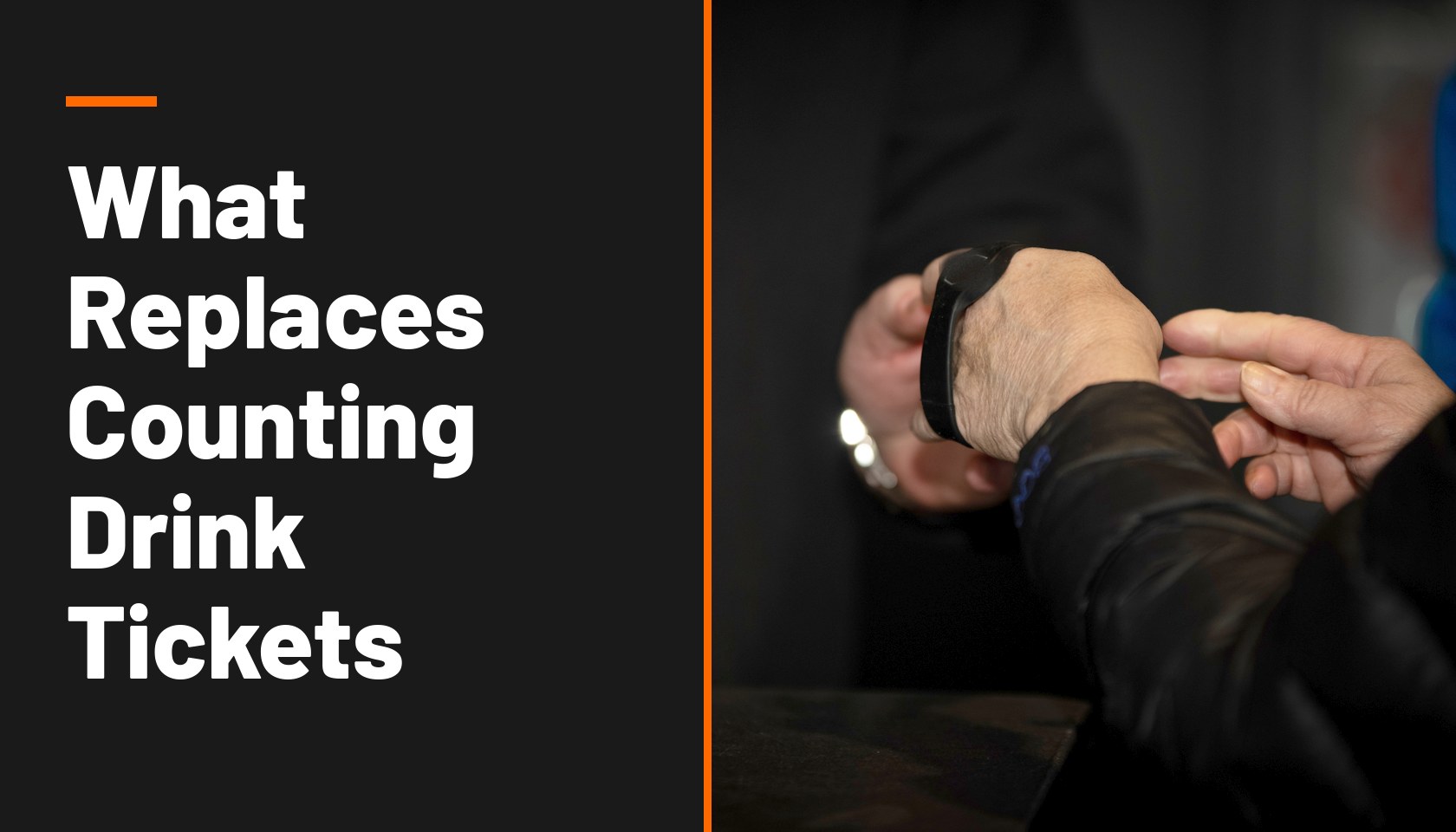
- RFID or tab-based ordering access
- Seamless reordering from anywhere
Not just to serve drinks. But to drive behavior. Because beverage is the one category that:
- Has the highest margin
- Has the shortest reorder cycle
- Directly impacts dwell time
And dwell time is where the real revenue lives.
Why This Works (It’s Not Just About Drinks)
This isn’t about selling more beer. It’s about what happens after the first drink. When their next drink is easy to access:
- Guests don’t leave after eating
- They stay for another round
- Then another
And that changes the economics of the entire visit. At one operation, simply upgrading beverage access unlocked over $100,000 in incremental revenue—not from new guests, but from the same ones staying longer and spending more
The Real Metric: Dwell Time
Most food hall operators still think in terms of check size, covers and table turns. But the best food hall operators are watching something else: How long guests stay. Because the longer the visit, the more likely a second (or third) transaction becomes. And a beverage program is the easiest way to extend that window.
Where Most Food Halls Get Stuck
The challenge isn’t recognizing the opportunity. It’s executing it. Because beverage systems are often:
- Disconnected from POS
- Managed separately from food vendors
- Dependent on staff intervention
Which creates friction:
- Tabs don’t carry across vendors
- Guests have to “start over” to order again
- Operators lose visibility into total spend
And once friction shows up, behavior changes. Guests don’t reorder. They leave.
What the Best Food Hall Operators Do Differently
The highest-performing food halls don’t just add beverage options. They integrate them. They:
- Connect beverage systems directly to POS
- Enable a single tab across vendors and bars
- Remove the need to re-enter payment details
- Make reordering effortless
In other words: They treat the beverage program as part of the same system as food—not a separate experience. That’s what allows the entire space to function as one cohesive environment instead of a collection of vendors
The Flywheel Most Food Hall Operators Miss
Here’s what it looks like when it’s working:
- Guest enters → opens a tab
- Orders food + drink
- Stays longer (because it’s easy)
- Orders again (because friction is gone)
- Total spend increases
No upselling scripts. No added labor. Just better system design.
A Simple Way to Evaluate Your Setup
If you’re running a food hall today, ask:
- Can guests reorder drinks without starting a new transaction?
- Does beverage live on the same tab as food?
- How easy is it to get a second round?
- Where does friction show up in the experience?
If the answer is “it depends”… There’s revenue sitting on the table. The next generation of food halls won’t win on:
- More vendors
- Better branding
- Bigger spaces
They’ll win on how the system works together. And the beverage program is one of the most overlooked—and highest-impact—places to start. Because when you get the beverage program right, you’re not just selling more drinks. You’re changing how long guests stay. And that’s where the real revenue is.
That same performance logic shows up in the numbers, too — see The 4x Revenue Beverage Strategy Food Halls Are Quietly Adopting.