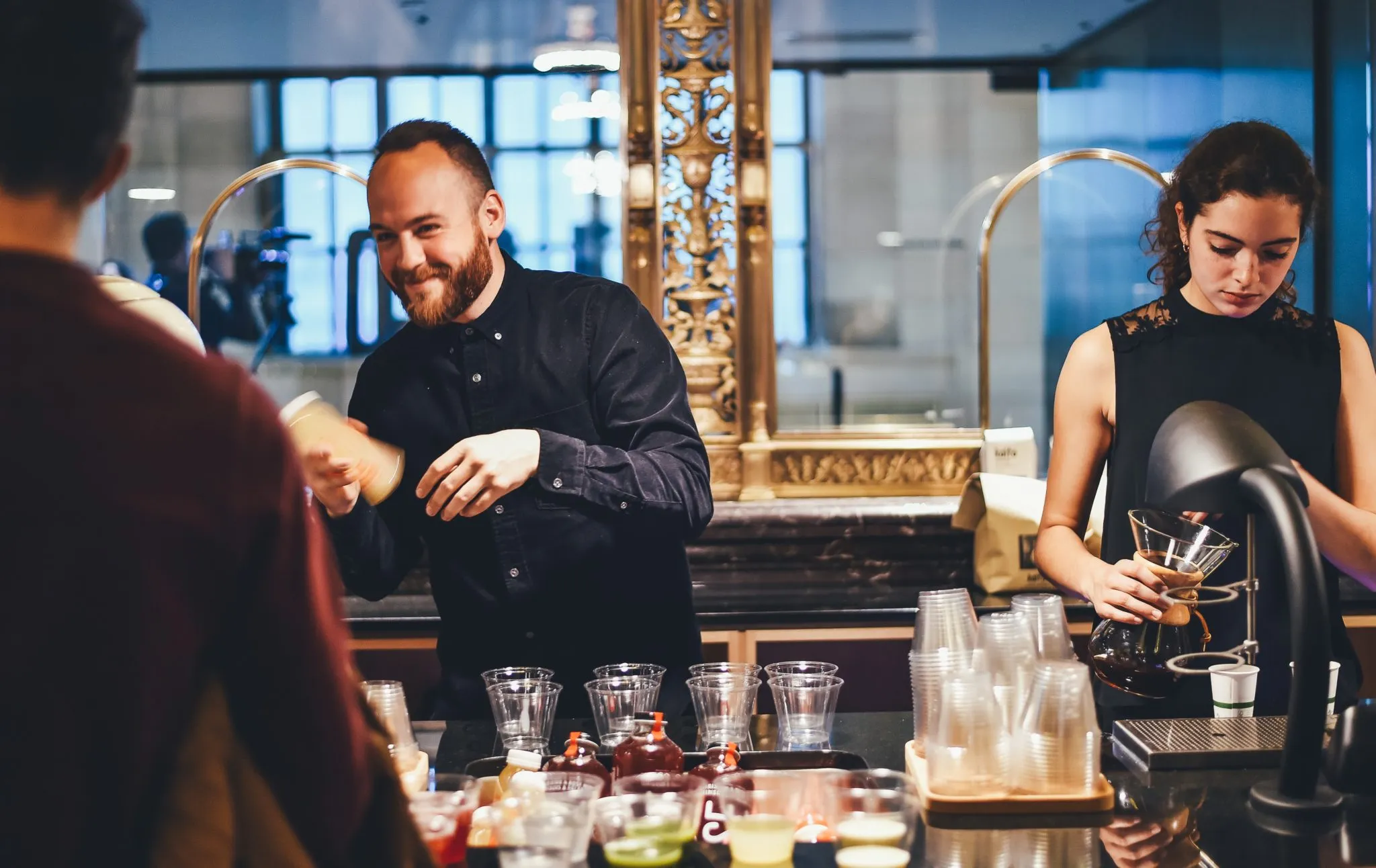






Food halls and multi-use properties are transforming the event landscape. These spaces offer a unique blend of versatility and charm. They can host everything from corporate meetings to lively community festivals.
Managing events in these dynamic venues requires a strategic approach. Understanding the layout and flow is crucial for effective event space management. Each event demands careful planning and execution.
Collaboration is key. Working closely with vendors and tenants ensures seamless operations. Technology also plays a vital role, enhancing management through digital tools and marketing.
Safety and compliance are non-negotiable. Adhering to local regulations is essential for successful venue management. With the right strategies, food halls can become vibrant event destinations.
The Rise of Food Halls and Multi-Use Event Spaces
Food halls are gaining popularity as flexible event venues. This rise reflects a broader trend towards versatile and engaging spaces. People are drawn to their informal and dynamic atmospheres.
These multi-use spaces cater to diverse events. Whether it's a formal corporate gathering or a casual social event, they can adapt. Food halls offer a unique blend of dining, entertainment, and culture.
Several factors drive their popularity:
- Versatility of space
- Unique food offerings
- Attractive social environments
Consumers crave authentic experiences that food halls provide. These spaces not only host events but create experiences. The ability to offer varied and memorable settings makes food halls an appealing choice for event planners.
Ultimate Playbook for Streamlining Food Hall Operations
Unlock the proven strategies and tech tools used by industry leaders to simplify operations, empower vendors, and delight guests — all in one comprehensive guide.
Download the GuideUnderstanding Event Space Management in Food Halls
Managing event spaces in food halls requires strategic planning. The unique layout of a food hall can pose challenges. However, with careful management, these spaces can be quite rewarding.
Flexibility is key in handling different types of events. It involves effectively utilizing every available inch. Understanding the layout helps in optimizing space for diverse gatherings.
To master event space management, consider these elements:
- Flow and movement of guests
- Accessibility and safety standards
- Configurable seating and staging areas
Proper planning ensures smooth guest experience and comfort. Clear pathways and accessible facilities are crucial. These elements enhance attendee satisfaction.
Moreover, aligning your space with event goals is important. Whether aiming for an intimate setting or a large gathering, adaptability matters. With thoughtful design, food halls become vibrant, multi-use venues.
Key Venue Management Tips for Multi-Use Properties
Managing a multi-use property can be complex but rewarding. Each space has its potential, and understanding it is crucial. Proper venue management tips can streamline operations and enhance experiences.
Adapting to different events is essential for success. Adjust the setting to match each occasion. Flexibility in design and arrangement can accommodate diverse gatherings.
Consider these management tips to optimize your venue:
- Assess and adapt seating arrangements
- Implement thorough cleaning schedules
- Ensure facilities are well-stocked and functional
Safety and compliance should never be overlooked. Adhere to all local regulations to protect guests and staff. Regular audits ensure ongoing compliance with safety standards.
Lastly, anticipate the needs of your audience. Tailor events to their interests and preferences. This thoughtful approach maximizes satisfaction and encourages repeat business.
Planning and Executing Successful Events
Success in event planning starts with detailed preparation. Understanding the event's purpose and target audience lays the foundation. Tailor activities and ambiance to align with guest expectations.
A comprehensive marketing strategy is vital. Promote events through diverse channels like social media, email, and local partnerships. These efforts boost attendance and visibility.
Prioritize logistical details early. Arrange equipment and staff in advance to avoid last-minute hiccups. Efficient scheduling ensures smooth operations throughout the event.
Consider incorporating unique elements to enrich the guest experience. Options can include:
- Interactive workshops or demos
- Live entertainment or performances
- Themed decor and menu options
Flexibility during execution is crucial. Adapt to unforeseen changes with quick, strategic decisions. This agility allows for seamless handling of unexpected issues.
Finally, gather feedback post-event for valuable insights. Use surveys and informal discussions to understand attendee and vendor satisfaction. These insights guide improvements for future events.
Collaborating with Vendors, Tenants, and Stakeholders
Successful food hall event management depends on collaboration with all parties involved. Building strong relationships with vendors, tenants, and stakeholders is key. Clear communication ensures everyone is aligned with event goals.
Regular meetings help coordinate efforts. This practice keeps everyone informed and engaged throughout the event lifecycle. Sharing important updates fosters transparency and trust.
Mutual benefits increase commitment among partners. Collaboration opens doors for creative ideas and shared resources. Here are some benefits:
- Cross-promotional opportunities
- Joint cost-sharing initiatives
- Enhanced event offerings through partnerships
Cooperation simplifies logistics, making events more manageable. When each party understands their role, execution becomes seamless. Strong partnerships contribute to a thriving event environment in food halls and multi-use properties.
Leveraging Technology for Seamless Event Management
Technology plays a pivotal role in streamlining event management. Utilizing modern tools enhances both planning and execution phases. Innovations reduce workload and improve efficiency for organizers.
Event platforms simplify tasks that once took time. They help with bookings, payments, and scheduling. Using technology offers several advantages:
- Real-time data analytics
- Automated marketing campaigns
- Online attendee registration
These tools enable quick adjustments, enhancing responsiveness to changes. Embracing digital solutions elevates event quality and attendee satisfaction in food halls and multi-use venues. With tech support, managers deliver smooth, seamless events that delight guests.
Enhancing Guest Experience: Branding, Theming, and Engagement
Crafting a memorable event relies on strong branding and theming. A cohesive brand story resonates with attendees, leaving a lasting impression.
Engagement is key to a successful event. Interactive activities boost participation and enjoyment. Organizers should consider:
- Eye-catching decor and themes
- Immersive experiences
- Engaging social media integration
Tailoring the event to suit guests' preferences elevates the experience. Events that capture the essence of the venue and its mission are particularly effective. This approach fosters a deeper connection with the audience.
Safety, Compliance, and Accessibility Considerations
Ensuring safety and compliance is vital for event success. Adhering to local regulations minimizes risks and protects all participants.
Accessibility is equally important. An inclusive approach ensures everyone feels welcome. Here are key considerations:
- Safety protocols in place
- Full compliance with regulations
- Easy access for all attendees
Incorporating these elements leads to smoother events and satisfied guests.
Measuring Success and Continuous Improvement
Evaluating events is crucial for identifying successes and areas for improvement. By measuring key performance indicators, you can refine future events.
Utilize feedback for growth. Regular review leads to better results over time. Consider these metrics:
- Attendee satisfaction
- Engagement levels
- Event profitability
By focusing on these aspects, organizers can foster continuous improvement and enhance future event experiences.
Conclusion: The Future of Food Hall Event Management
Food halls will evolve as hubs for innovation in event hosting. Embracing new trends and technologies will keep these spaces dynamic and appealing.
Event managers who adapt will thrive. Future-forward strategies will ensure continued success in this vibrant sector.
As food halls continue to evolve into dynamic, multi-use environments, the opportunity isn't just to host events—it's to design experiences that drive revenue, deepen engagement, and maximize the value of every square foot. The operators and developers who get this right will be the ones who think holistically about space, partnerships, and technology from day one. That's exactly the conversation we're bringing to the stage on April 15 at the Future of Food Halls Conference in Minneapolis. In our session, One Roof, Many Concepts, we'll dig into the real-world strategies behind successful event-driven food halls—what works, what doesn't, and how to turn complexity into a competitive advantage for your property.
That same event-first mindset is what's driving record turnout at the industry's largest gathering — see Largest U.S. Event Dedicated to Food Hall Operations Nears Sellout.