




Every restaurant operator has experienced it. The kitchen is busy. Orders are coming in from multiple channels. A server updates a ticket after it's been sent. A guest requests a modification. A delivery order appears during the dinner rush.
Suddenly, communication breaks down. Tickets are lost. Items are delayed. Food sits waiting in the window. Guests wait longer than expected.
For many restaurants, the problem isn't the quality of the food or the effort of the staff. The problem is operational visibility. That's why more operators are replacing paper tickets and kitchen printers with a restaurant kitchen display system (KDS).
A modern KDS restaurant solution creates a direct connection between ordering channels, front-of-house teams, and kitchen staff. Orders are routed automatically, preparation times become visible, and teams can focus on executing service instead of managing tickets. The result is faster service, greater accuracy, and a better guest experience.
What Is a Restaurant Kitchen Display System?
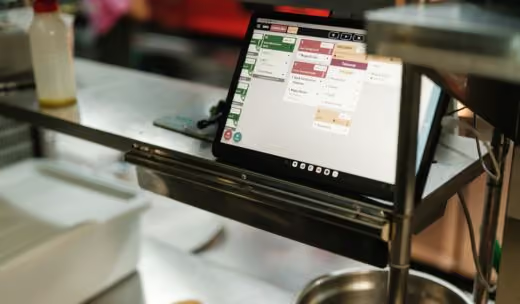
A restaurant kitchen display system replaces printed kitchen tickets with digital screens that display orders in real time. When an order is placed through a POS terminal, mobile ordering, QR code ordering, kiosk, online ordering platform, or handheld device, the order is automatically sent to the appropriate kitchen station.
Instead of relying on paper tickets or verbal communication, kitchen staff receive clear digital instructions that include:
- Order details
- Item modifiers
- Special requests
- Timing information
- Order status updates
As orders move through preparation, staff can update ticket status, helping the entire operation stay aligned. For restaurants managing multiple service channels, a KDS restaurant solution becomes the operational hub connecting front-of-house and back-of-house teams.
Why Speed Matters More Than Ever
Guest expectations continue to evolve. Whether guests are dining in, ordering takeout, scanning a QR code, or attending an event, they expect fast and accurate service.
Every unnecessary delay affects:
- Guest satisfaction
- Table turns
- Revenue per seat
- Labor efficiency
- Online reviews
A kitchen display system helps eliminate many of the bottlenecks that slow service. Industry studies have found that KDS implementations can reduce customer wait times by 20–30% while improving kitchen efficiency and reducing order errors.
The reason is simple: orders reach the kitchen immediately, updates happen in real time, and kitchen teams gain visibility into everything that is happening across the operation.
How a KDS Improves Restaurant Speed
Orders Reach the Kitchen Instantly
Traditional ticket workflows create delays. An order must be entered, printed, and delivered to the appropriate station before preparation begins. With a restaurant kitchen display system, orders appear on kitchen screens immediately after they are placed. This allows prep work to begin faster while eliminating delays associated with printing, routing, and manually managing tickets.
Stations Stay Coordinated
One of the biggest causes of slow service is poor coordination between stations. The grill may finish before the fry station. The salad station may be waiting on an entrée. Food sits in the window while one item catches up. A KDS restaurant system helps synchronize preparation by providing visibility across stations and displaying order priorities in real time. Kitchen teams can see what is coming, what is in progress, and what needs immediate attention.
Better Rush Management
During peak periods, paper tickets create chaos.
Digital kitchen screens provide:
- Ticket prioritization
- Color-coded alerts
- Item-level timers
- Real-time order status
GoTab's Kitchen Display System also provides all-day counts and multi-item visibility, allowing kitchens to prepare proactively rather than reactively. For high-volume venues, this helps increase throughput while maintaining consistency.
How a KDS Improves Restaurant Accuracy
Speed matters, but accuracy matters just as much. One incorrect order can create food waste, comped meals, frustrated guests, and additional labor.
Clear Visibility for Modifiers
Handwritten tickets, unclear printouts, and verbal instructions all introduce opportunities for mistakes. A kitchen display system presents modifiers, allergies, and special requests in a clear digital format. Updates made by servers or managers appear instantly on kitchen screens, ensuring the kitchen is working from the latest information.
Automatic Order Routing
Modern restaurant operations often receive orders from multiple channels simultaneously.
These can include:
- POS terminals
- Mobile ordering
- QR ordering
- Self-order kiosks
- Online ordering
- Delivery integrations
Without proper routing, mistakes become inevitable. A restaurant kitchen display system automatically sends each item to the correct preparation station, reducing manual intervention and minimizing communication errors.
Real-Time Updates Reduce Rework
Last-minute changes are part of restaurant operations. Guests modify orders. Items become unavailable. Staff add notes. With a KDS restaurant system, updates are reflected immediately, helping kitchens avoid preparing incorrect items and reducing waste.
Real-World Example: Managing Complexity at Scale
The benefits of a restaurant kitchen display system become even more apparent in complex hospitality environments.
- At Atomic Golf in Las Vegas, guests can order food and beverages throughout a large entertainment venue that combines golf, dining, and social experiences. The operation manages multiple ordering touchpoints and large volumes of guests simultaneously.
In environments like this, operational visibility becomes critical. Kitchen teams need to receive accurate orders quickly while maintaining consistency across multiple service areas. A modern KDS helps create the operational foundation needed to support high-volume experiences while maintaining speed and accuracy.
- Similarly, Little Pub Company operates multiple neighborhood bar and restaurant locations throughout Colorado. As operators scale, maintaining consistency becomes increasingly important. Digital kitchen workflows help ensure staff can execute consistently regardless of location or service volume.
- At Aloma Cinema & Grill, guests enjoy a dine-in movie experience where timing is especially important. Orders must be prepared accurately and delivered efficiently without disrupting the guest experience. Digital kitchen workflows help coordinate service while reducing communication challenges between teams.
These venues may serve different audiences, but they share a common requirement: fast, accurate execution.
The Hidden Benefits of a Restaurant Kitchen Display System
Beyond speed and accuracy, operators often discover additional advantages after implementing a KDS.
Improved Labor Efficiency
Kitchen staff spend less time managing tickets and more time preparing food. Servers spend less time checking order status. Managers gain visibility into kitchen performance without constantly walking the line.
Better Performance Data
A KDS provides operational data that paper tickets simply cannot. Operators can monitor:
- Ticket times
- Station performance
- Bottlenecks
- Order volume trends
- Peak service periods
This data helps restaurants improve staffing decisions and identify operational opportunities.
Reduced Waste
Fewer communication errors lead to fewer remakes. Fewer remakes lead to lower food costs. Digital workflows also eliminate the need for paper tickets, printers, and associated supplies.
Choosing the Right KDS Restaurant Solution
Not all kitchen display systems are built for modern hospitality operations. The best restaurant kitchen display system should do more than replace paper tickets. It should connect every ordering channel, route orders intelligently, provide visibility across stations, and help operators improve performance over time.
Look for a KDS that supports:
- POS integration
- Mobile ordering
- QR ordering
- Self-order kiosks
- Multi-station routing
- Real-time reporting
- Multiple service models
As restaurants continue to adopt new ordering technologies, kitchen operations must evolve alongside them.
Faster Service Starts in the Kitchen
Guests rarely see the systems powering a restaurant's operations. They simply notice when service is fast, food is accurate, and everything runs smoothly. A restaurant kitchen display system helps make that possible.
By replacing paper tickets with real-time digital workflows, a KDS restaurant solution improves communication, reduces errors, increases throughput, and creates a better experience for both guests and staff.
For operators looking to improve efficiency without sacrificing hospitality, the kitchen may be the best place to start.